
Allah
The names of Allah In The Qur'an
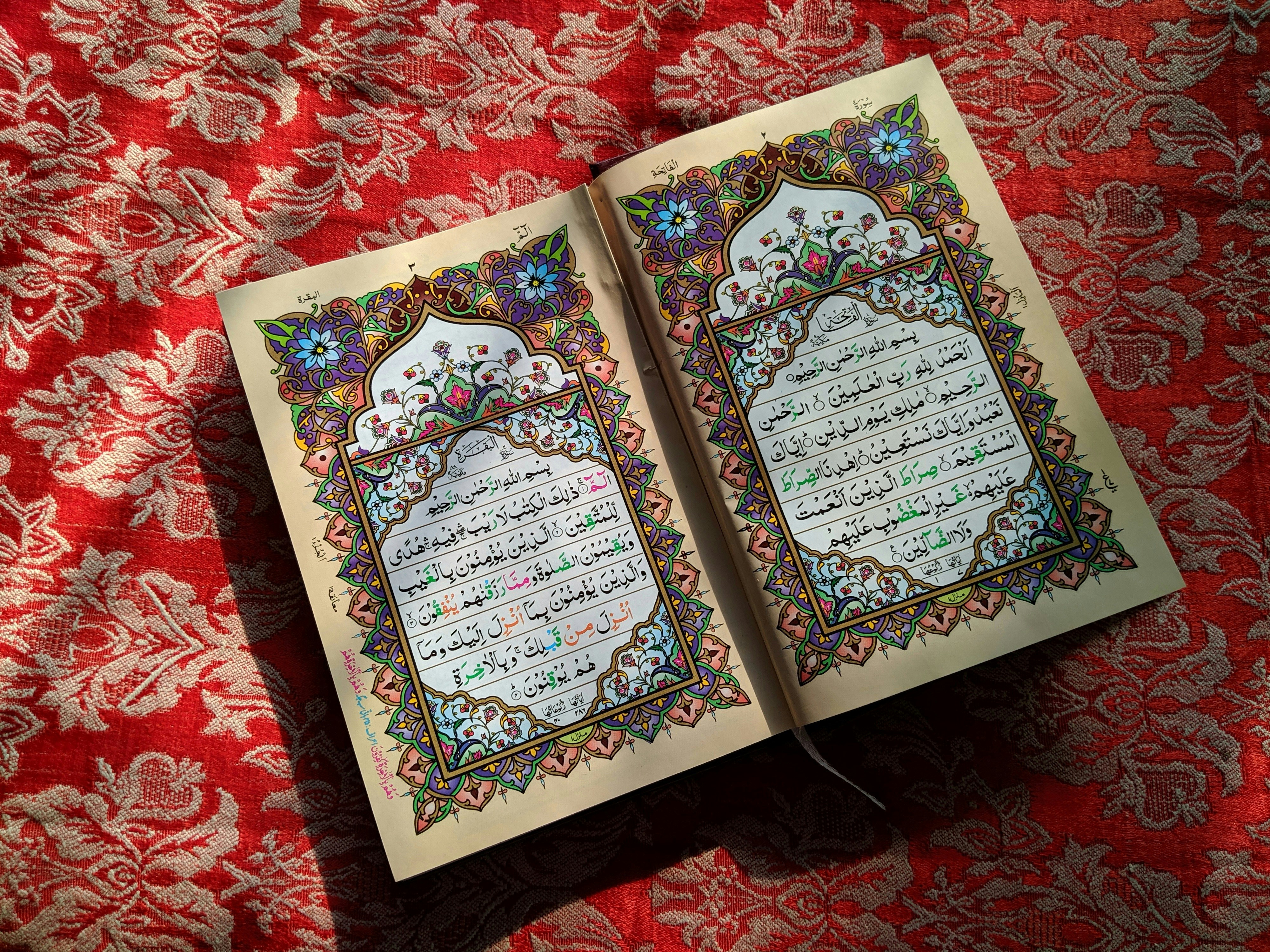
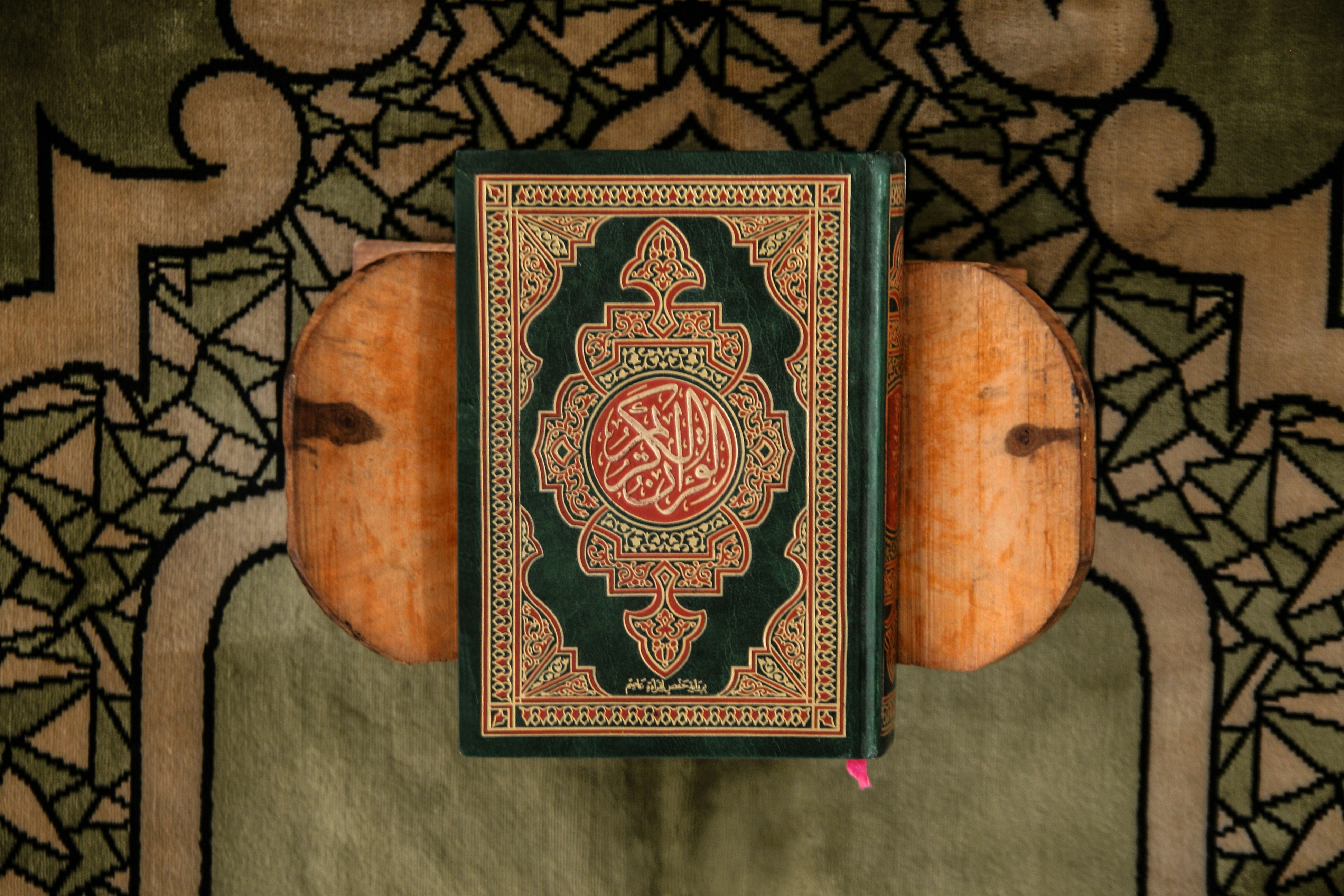
The Qur’an is not only a book of guidance but also a source through which we come to know Allah (ﷻ). One of the most profound ways it does this is by introducing His Asma’ul Husna (The Beautiful Names of Allah). These names describe His attributes, qualities, and perfection, allowing believers to connect with Him deeply and worship Him with knowledge and love.
Sep 19, 2025
3 MIN Read
Allah
The names of Allah In The Qur'an
The Qur’an is not only a book of guidance but also a source through which we come to know Allah (ﷻ). One of the most profound ways it does this is by introducing His Asma’ul Husna (The Beautiful Names of Allah). These names describe His attributes, qualities, and perfection, allowing believers to connect with Him deeply and worship Him with knowledge and love.
Sep 19, 2025
3 MIN Read
Allah
The names of Allah In The Qur'an
The Qur’an is not only a book of guidance but also a source through which we come to know Allah (ﷻ). One of the most profound ways it does this is by introducing His Asma’ul Husna (The Beautiful Names of Allah). These names describe His attributes, qualities, and perfection, allowing believers to connect with Him deeply and worship Him with knowledge and love.
Sep 19, 2025
3 MIN Read
The Significance of Allah’s Names
Allah’s names in the Qur’an are not just titles; they reflect His essence and His relationship with creation. Knowing these names strengthens faith, increases trust in Him, and reminds believers of His mercy, power, wisdom, and justice.
Allah says in the Qur’an:
“And to Allah belong the best names, so call upon Him by them…” (Surah Al-A‘raf 7:180).
This verse shows that learning and using His names in supplication is part of worship.
Categories of Allah’s Names
Scholars often classify Allah’s names into categories that reflect His attributes:
Names of Majesty (Jalal): Reflecting His greatness and power.
Al-Aziz (The Mighty)
Al-Jabbar (The Compeller)
Al-Mutakabbir (The Supreme)
Names of Beauty (Jamal): Reflecting mercy, love, and kindness.
Ar-Rahman (The Most Merciful)
Al-Wadud (The Loving)
Al-Karim (The Generous)
Names of Perfection (Kamal): Reflecting completeness and flawlessness.
Al-‘Aleem (The All-Knowing)
As-Sami’ (The All-Hearing)
Al-Basir (The All-Seeing)
Examples of Allah’s Names in the Qur’an
Ar-Rahman (The Most Merciful): Mentioned at the beginning of nearly every surah, emphasizing Allah’s vast mercy.
Al-Ghafur (The Forgiving): Repeated often, highlighting His readiness to forgive sins.
Al-Hayy (The Ever-Living) and Al-Qayyum (The Sustainer): Both found in Ayat al-Kursi (2:255), showing His eternal life and sustaining power.
Al-Khaliq (The Creator): Mentioned as the One who brings all things into existence with purpose.
Why Learning Allah’s Names Matters
Strengthens belief: Understanding His names makes faith more personal and meaningful.
Guides character: Believers are encouraged to reflect Allah’s qualities in their own behavior, such as showing mercy, justice, and generosity.
Enhances supplication: Using His names in prayer brings closeness to Allah.
The Prophet ﷺ said:
“Indeed, Allah has ninety-nine names. Whoever memorizes and lives by them will enter Paradise.” (Bukhari & Muslim).
The Significance of Allah’s Names
Allah’s names in the Qur’an are not just titles; they reflect His essence and His relationship with creation. Knowing these names strengthens faith, increases trust in Him, and reminds believers of His mercy, power, wisdom, and justice.
Allah says in the Qur’an:
“And to Allah belong the best names, so call upon Him by them…” (Surah Al-A‘raf 7:180).
This verse shows that learning and using His names in supplication is part of worship.
Categories of Allah’s Names
Scholars often classify Allah’s names into categories that reflect His attributes:
Names of Majesty (Jalal): Reflecting His greatness and power.
Al-Aziz (The Mighty)
Al-Jabbar (The Compeller)
Al-Mutakabbir (The Supreme)
Names of Beauty (Jamal): Reflecting mercy, love, and kindness.
Ar-Rahman (The Most Merciful)
Al-Wadud (The Loving)
Al-Karim (The Generous)
Names of Perfection (Kamal): Reflecting completeness and flawlessness.
Al-‘Aleem (The All-Knowing)
As-Sami’ (The All-Hearing)
Al-Basir (The All-Seeing)
Examples of Allah’s Names in the Qur’an
Ar-Rahman (The Most Merciful): Mentioned at the beginning of nearly every surah, emphasizing Allah’s vast mercy.
Al-Ghafur (The Forgiving): Repeated often, highlighting His readiness to forgive sins.
Al-Hayy (The Ever-Living) and Al-Qayyum (The Sustainer): Both found in Ayat al-Kursi (2:255), showing His eternal life and sustaining power.
Al-Khaliq (The Creator): Mentioned as the One who brings all things into existence with purpose.
Why Learning Allah’s Names Matters
Strengthens belief: Understanding His names makes faith more personal and meaningful.
Guides character: Believers are encouraged to reflect Allah’s qualities in their own behavior, such as showing mercy, justice, and generosity.
Enhances supplication: Using His names in prayer brings closeness to Allah.
The Prophet ﷺ said:
“Indeed, Allah has ninety-nine names. Whoever memorizes and lives by them will enter Paradise.” (Bukhari & Muslim).
The Significance of Allah’s Names
Allah’s names in the Qur’an are not just titles; they reflect His essence and His relationship with creation. Knowing these names strengthens faith, increases trust in Him, and reminds believers of His mercy, power, wisdom, and justice.
Allah says in the Qur’an:
“And to Allah belong the best names, so call upon Him by them…” (Surah Al-A‘raf 7:180).
This verse shows that learning and using His names in supplication is part of worship.
Categories of Allah’s Names
Scholars often classify Allah’s names into categories that reflect His attributes:
Names of Majesty (Jalal): Reflecting His greatness and power.
Al-Aziz (The Mighty)
Al-Jabbar (The Compeller)
Al-Mutakabbir (The Supreme)
Names of Beauty (Jamal): Reflecting mercy, love, and kindness.
Ar-Rahman (The Most Merciful)
Al-Wadud (The Loving)
Al-Karim (The Generous)
Names of Perfection (Kamal): Reflecting completeness and flawlessness.
Al-‘Aleem (The All-Knowing)
As-Sami’ (The All-Hearing)
Al-Basir (The All-Seeing)
Examples of Allah’s Names in the Qur’an
Ar-Rahman (The Most Merciful): Mentioned at the beginning of nearly every surah, emphasizing Allah’s vast mercy.
Al-Ghafur (The Forgiving): Repeated often, highlighting His readiness to forgive sins.
Al-Hayy (The Ever-Living) and Al-Qayyum (The Sustainer): Both found in Ayat al-Kursi (2:255), showing His eternal life and sustaining power.
Al-Khaliq (The Creator): Mentioned as the One who brings all things into existence with purpose.
Why Learning Allah’s Names Matters
Strengthens belief: Understanding His names makes faith more personal and meaningful.
Guides character: Believers are encouraged to reflect Allah’s qualities in their own behavior, such as showing mercy, justice, and generosity.
Enhances supplication: Using His names in prayer brings closeness to Allah.
The Prophet ﷺ said:
“Indeed, Allah has ninety-nine names. Whoever memorizes and lives by them will enter Paradise.” (Bukhari & Muslim).

Read More
Read More
Read More
Keep learning and growing with authentic knowledge from Al-Minhaaj Da’wah Institute.

" height="17.6px" id="Lwm8XKCNb" width="17.6px"/></g></svg>)
" height="17px" id="MR8ZXONWL" width="17.000021884764326px"/></svg>)
" height="17px" id="Ze5MX0isZ" width="17px"/></svg>)
© 2025 Al-minhaaj. All right reserved.
Keep learning and growing with authentic knowledge from Al-Minhaaj Da’wah Institute.
© 2025 Al-minhaaj. All right reserved.
Keep learning and growing with authentic knowledge from Al-Minhaaj Da’wah Institute.
© 2025 Al-minhaaj. All right reserved.